Author • Speaker
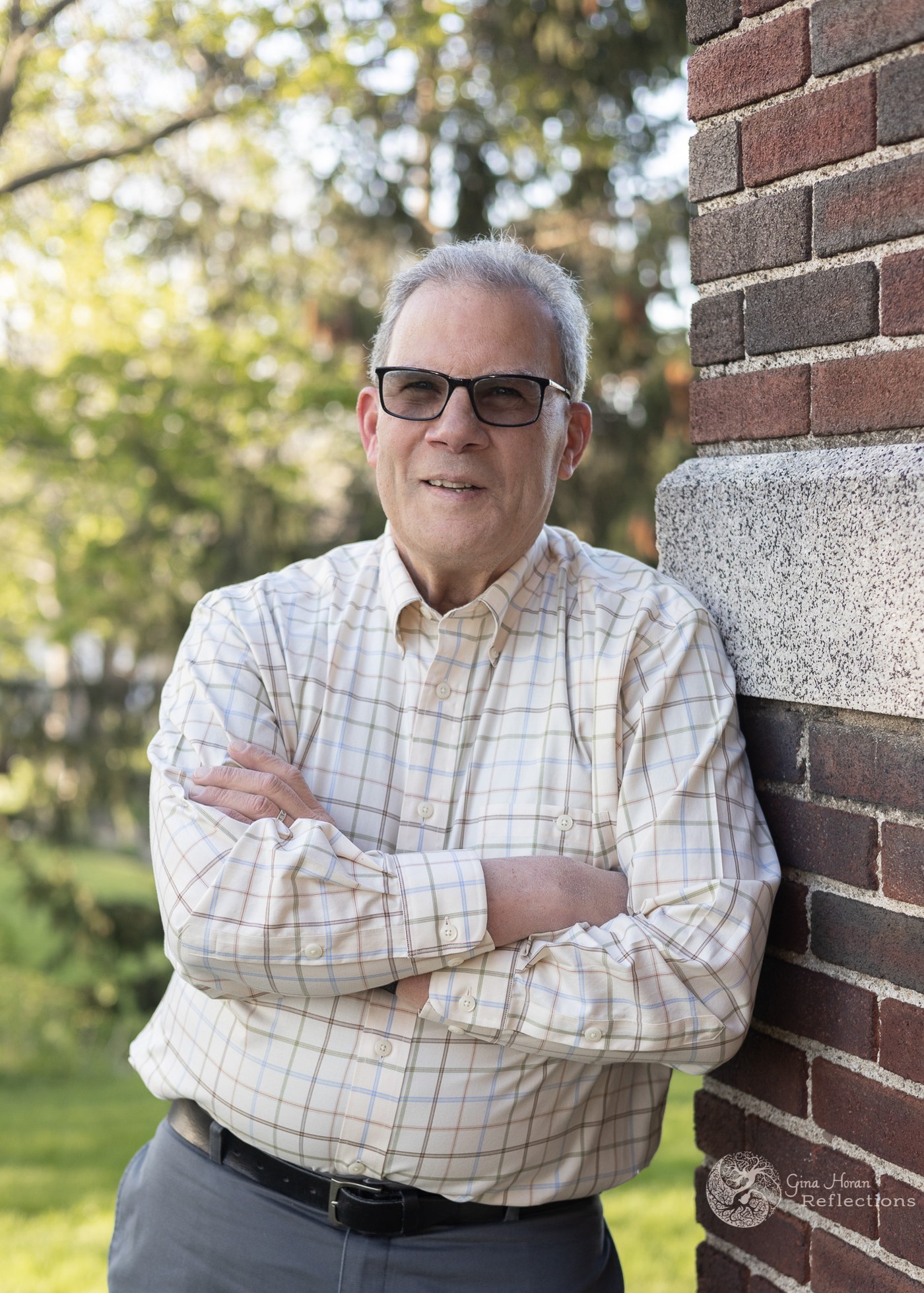
Jerry M. Elman
The Stories We Inherit.
The Future We Choose.
I write about memory, history, human behavior, and the patterns that shape people and societies over time.
My work began with the story of my parents' survival during the Holocaust. It led me into the silence and inherited trauma of the second generation—and eventually to a larger question:
How do people and societies change without fully recognizing that they are changing?
The current question
Something has changed.
Many people feel it. We are more exhausted. More guarded. Less trusting. Quicker to judge. More divided.
We may explain the pressure differently. We may blame different people. We may disagree about what caused it.
But underneath those disagreements, many of us are feeling the same things.
Many of us are feeling the same pressure.
That should be a common bond.
So why are we fighting each other?
The books
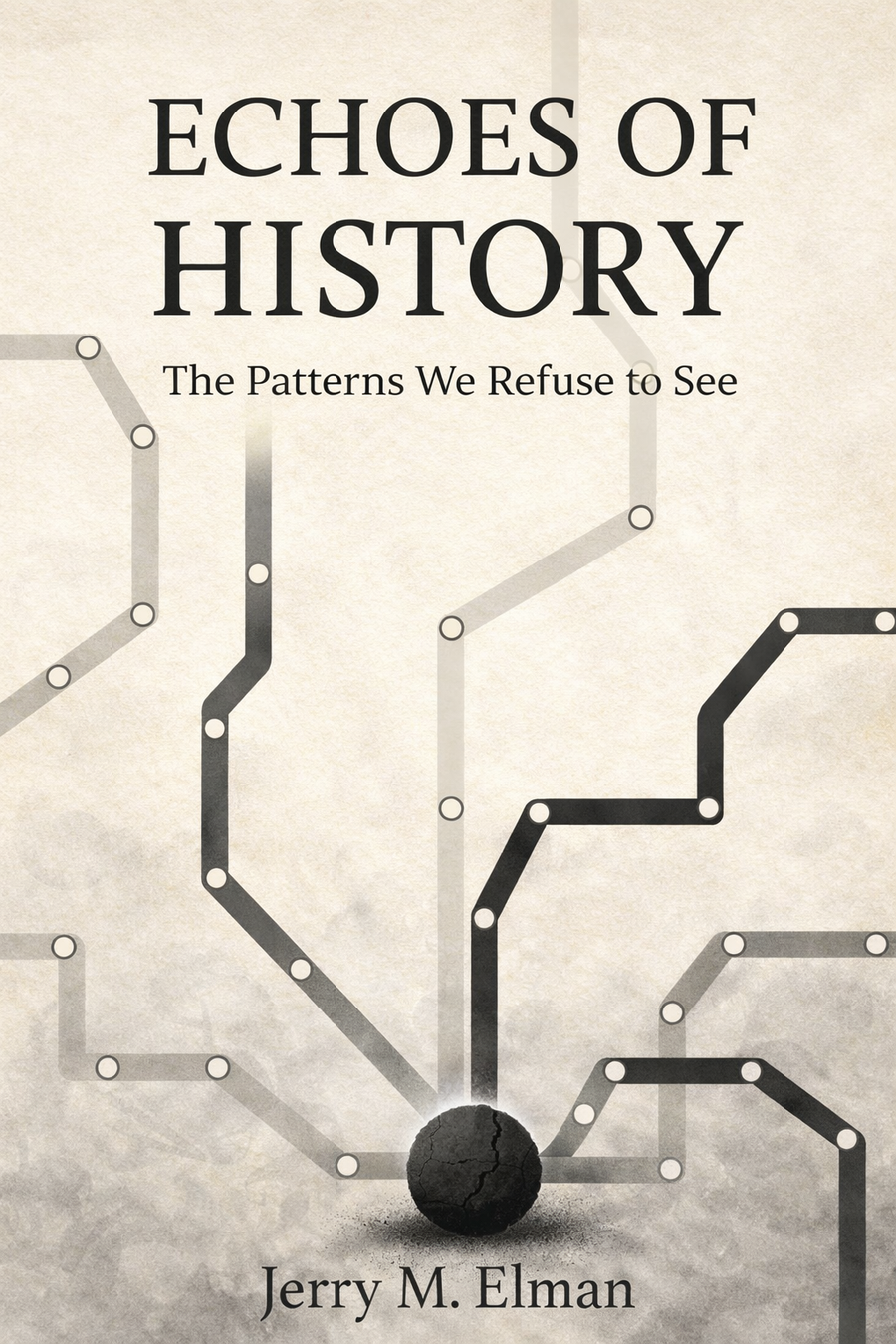
Echoes of History
The Patterns We Refuse to See
Most people believe they would recognize major societal change while it was happening. History suggests otherwise.
Across history, societies rarely change all at once. They change gradually—through language, fear, blame, silence, and the things ordinary people learn to accept.
Echoes of History is about recognizing those patterns before they become the story we tell after the fact.
The story that came first
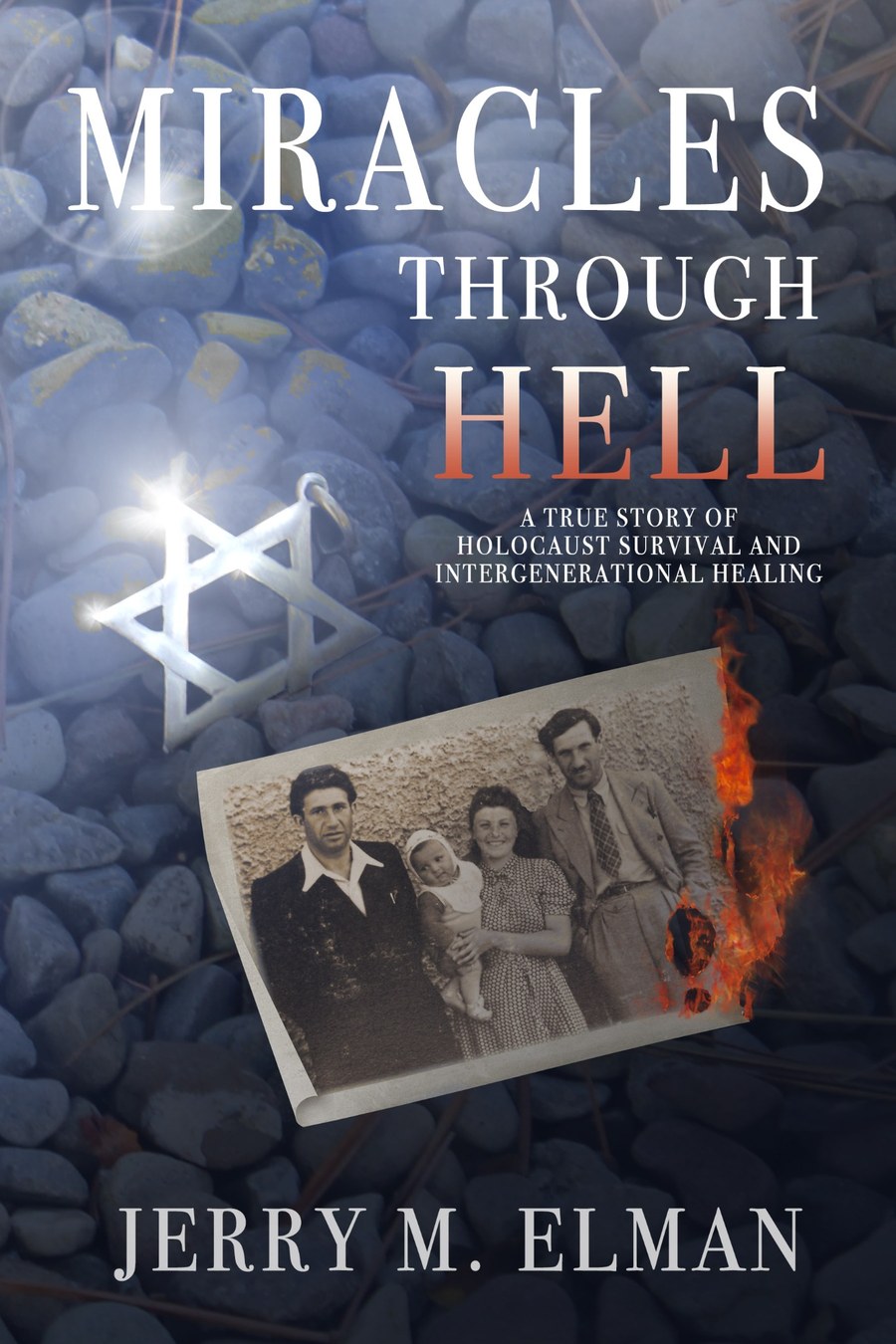
Miracles Through Hell
Before I could write about the patterns of history, I had to understand the history I inherited.
Miracles Through Hell tells the true story of my parents' survival during the Holocaust—and the silence that followed them home.
The book became the beginning of my attempt to understand not only what happened to my parents, but what their survival passed to the next generation.
From book to room
The Destination We Are Choosing
This is not a lecture. It is not a political debate. It is not a Holocaust comparison program. It is not a book report.
It is a guided community conversation about pressure, blame, division, silence, and what ordinary people can still choose before today's patterns become tomorrow's history.
The book provides the lens. The conversation creates the mirror.
The movement begins when people leave the room and carry the conversation to someone else.
Second generation
The history we inherit.
My parents survived the Holocaust. I was born afterward.
For much of my life, I thought their history belonged to them. It took me decades to understand how much of it had entered me—the silence, the fear, the emotional weather of a history I had not personally lived.
Essays & current writing
Ideas that need more than a headline.
I continue these conversations through essays on history, human behavior, social change, inherited memory, institutions, and the choices in front of us.
Videos & visual essays
Watch. Listen. Reflect.
Short visual work exploring the same questions that run through the books and conversations—history, memory, pressure, silence, and what we gradually learn to accept.
A conversation only matters if it continues.
Talk with someone. Ask a better question. Carry it somewhere else.