Pressure changes behavior.
Economic insecurity, social strain and emotional overload do more than make life harder. They change how people see one another, what they fear, whom they blame and what kinds of explanations begin to feel satisfying.
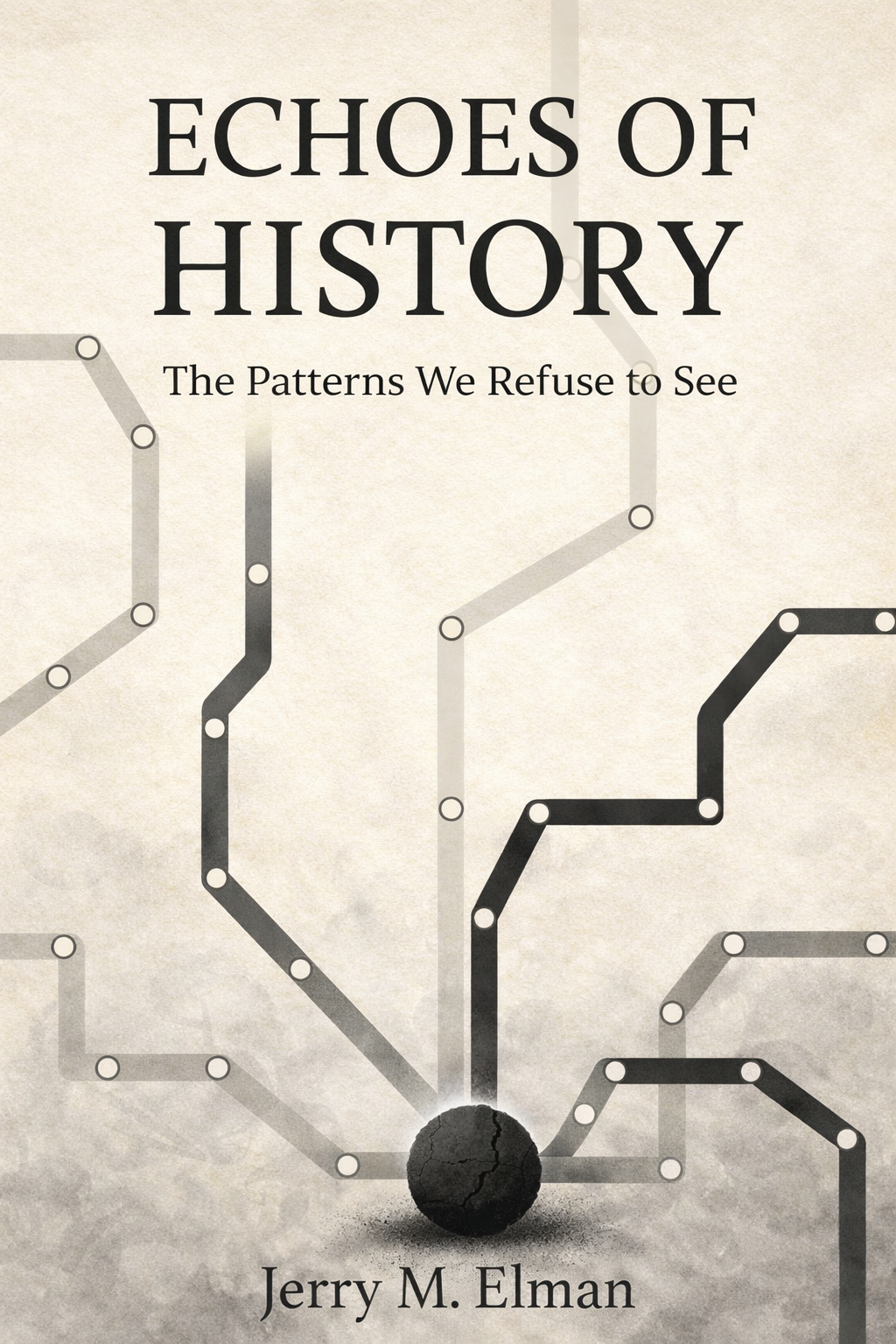
Echoes of History · The Patterns We Refuse to See
Most people believe they would recognize major societal change while it was happening. History suggests otherwise.
The starting point
Something feels different. Not only in politics or the news, but in us. We are more guarded. Less trusting. Quicker to judge. More willing to dismiss people before we understand them.
Echoes of History begins there. It asks how people and societies adapt to pressure, fear, division, exhaustion and changing norms—and how yesterday's unthinkable can slowly become today's ordinary.
History does not repeat itself in identical events. It echoes through patterns of human behavior.
Patterns, not labels
This book does not argue that today's people, parties or events are identical to those of another time. That kind of comparison usually ends the conversation before it begins.
Instead, it looks underneath events at the recurring behaviors that make historical change possible: fear becoming identity, blame becoming explanation, language becoming permission, silence becoming acceptance, and people slowly adjusting to conditions they once would have rejected.
The question is not, “Is this exactly what happened before?” The more useful question is, “Do we recognize the pattern?”
What the book follows
Economic insecurity, social strain and emotional overload do more than make life harder. They change how people see one another, what they fear, whom they blame and what kinds of explanations begin to feel satisfying.
Human beings adapt. That capacity helps us survive, but it also allows cruelty, dishonesty, division and institutional failure to become ordinary when they arrive gradually enough.
When facts become tribal, disagreement begins to feel like danger. People no longer argue over what something means; they increasingly inhabit different versions of what happened at all.
Most historical change is not carried only by the loudest people. It is also carried by everyone who adapts, looks away, decides something is not their problem, or concludes that speaking up will cost too much.
Why I wrote it
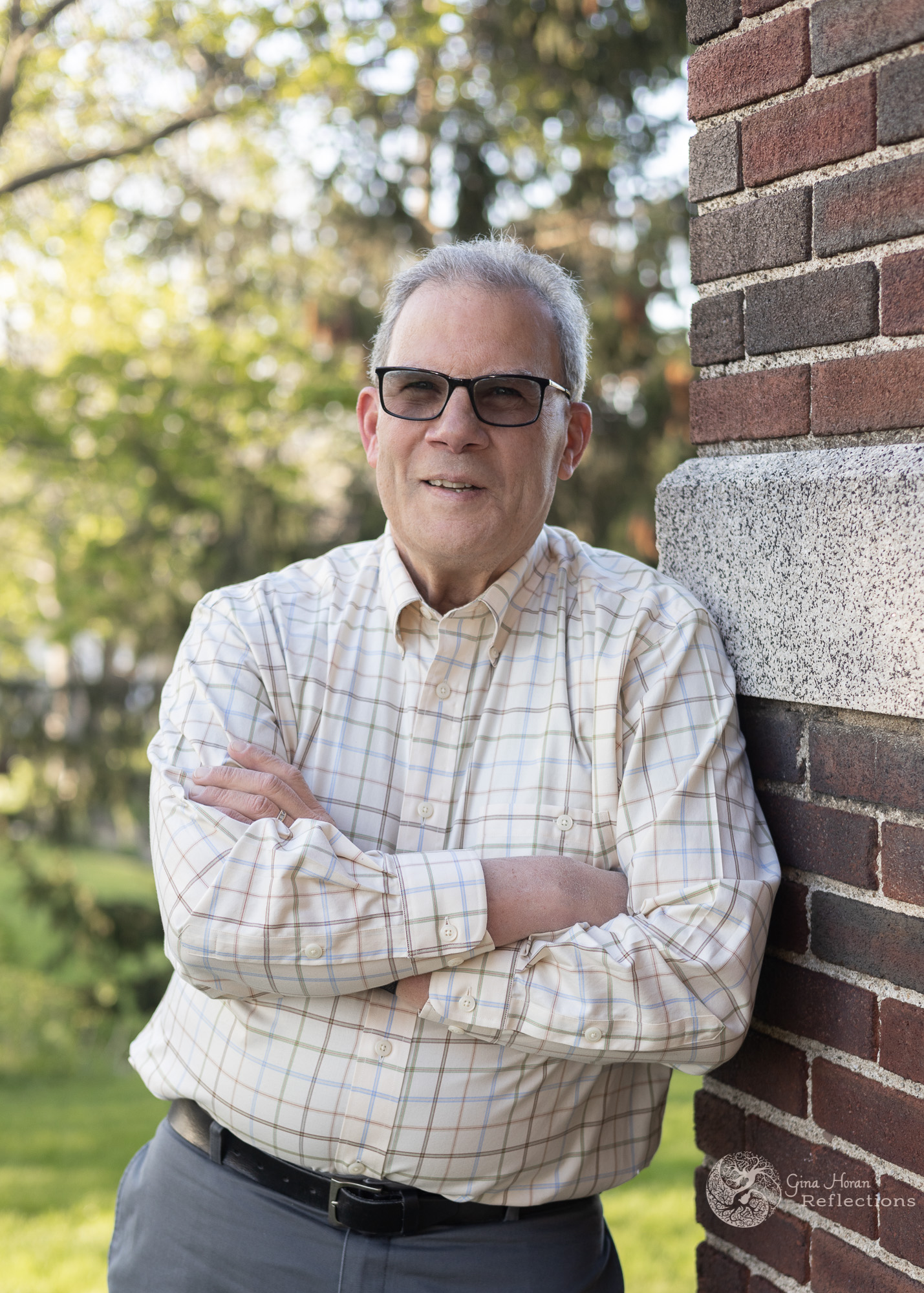
I am the son of two Holocaust survivors from Poland. I grew up inside the silence that followed catastrophe long before I understood what that silence meant.
Writing Miracles Through Hell began as an effort to tell my parents' story. It eventually forced me to look at something larger: how history remains alive in the people who come after it—and how societies can move toward danger without recognizing the direction while they are still moving.
Echoes of History is my attempt to look at that process without telling readers what political conclusions they are required to reach. The work is recognition first.
The most dangerous changes in history are often the ones ordinary people slowly adapt to while living through them.
After the book
A book can help us see a pattern. It cannot decide what we do after we see it.
The Destination We Are Choosing grew from that distinction. It moves the work from reading into guided conversation: what has changed around us, what has changed in us, what have we gotten used to, and what do we still have the power to interrupt?
The question underneath the book
For presentations, community conversations, or questions about the book: jerry@jerryelman.com